
Mecum Dallas/Fort Worth 2026 Kicks Off
A modified first-year Camaro led Wednesday, while a stroker-powered 1955 Bel Air topped Thursday as Mecum’s Dallas/Fort Worth auction recorded $7,352,620 in vehicle sales over its opening two days, October 21–22. That figure includes cars, trucks, and motorcycles.
Wednesday generated $2,926,220, averaging $14,704.62 across 199 vehicles. Thursday produced $4,426,400 from 177 vehicles, averaging $25,007.91 – a 70.1% increase in average transaction value despite fewer sales.
The Daily Numbers
Wednesday’s sold vehicles included 11 motorcycles contributing $47,190 while Thursday’s 177 included three motorcycles totaling $34,650.
Auction day | Vehicles sold | Total sales | Average price |
|---|---|---|---|
Two Day Total | 376 | $7,352,620 | |
Wednesday, October 21 | 199 | $2,926,220 | $14,704.62 |
Thursday, October 22 | 177 | $4,426,400 | $25,007.91 |
Wednesday's Five Highest Sellers
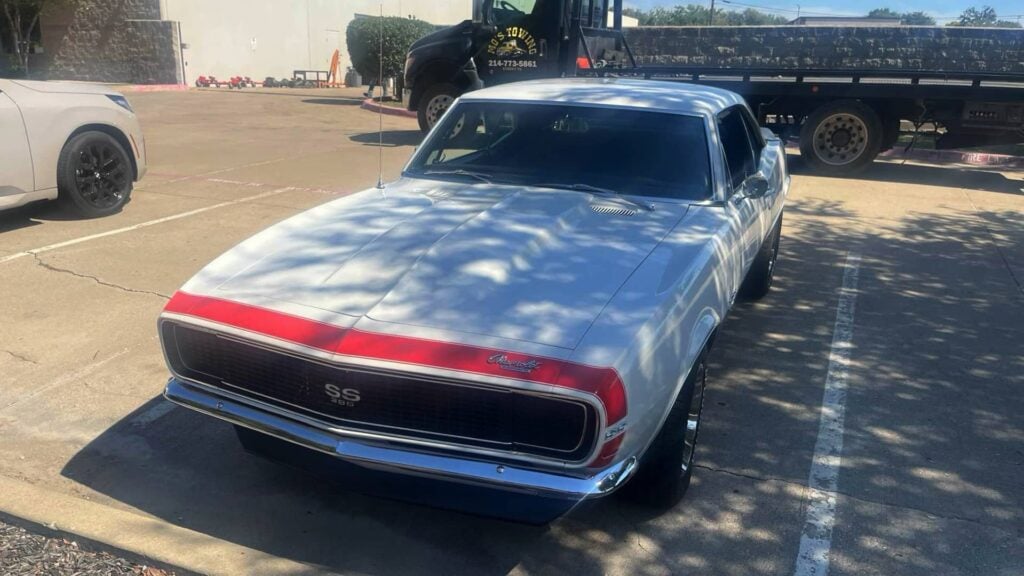
Lot W194 combined a V8 with a Tremec five-speed, Moser 12-bolt rear axle, Wilwood four-wheel disc brakes, Bilstein shocks and Vintage Air. Its upgraded hideaway-headlight grille did not establish factory RS or SS provenance. As the Camaro’s inaugural model year, 1967 marks Chevrolet’s response to the Mustang. The modernized drivetrain, brakes and air conditioning plausibly supported its appeal as a usable modified classic rather than a documented factory-performance rarity.
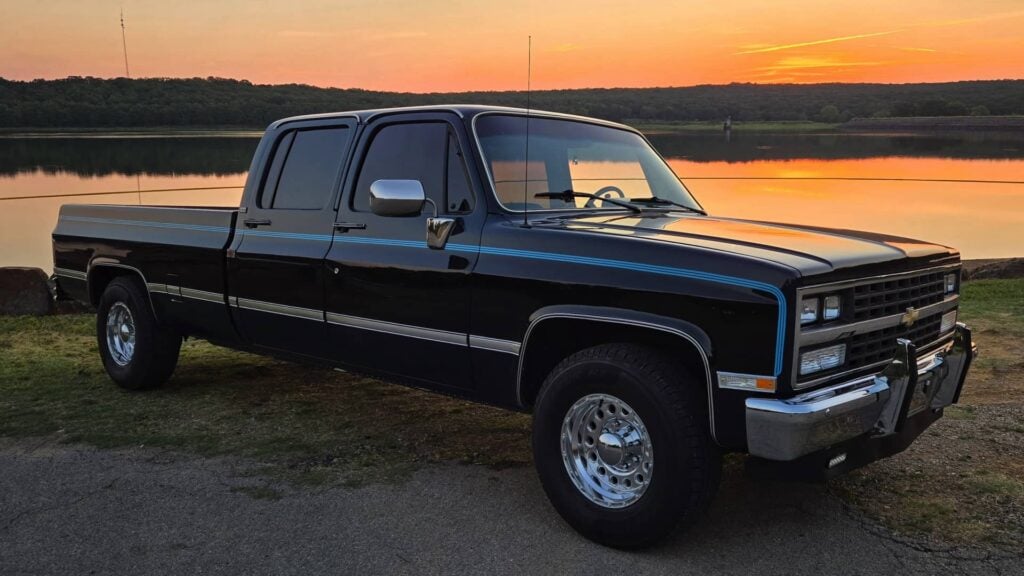
Lot W47 offered a 454 cubic inch V8, 4L80 automatic, 3+3 seating, Hydroboost brakes and air conditioning; Mecum reported climate-controlled storage and a 110,237-mile odometer reading. The year matters: 1991 closed the square-body generation, with crew cabs continuing after conventional pickups had changed to the newer body. Its final-year identity and big-block, six-passenger configuration provide stronger collector context than any low-mileage claim.
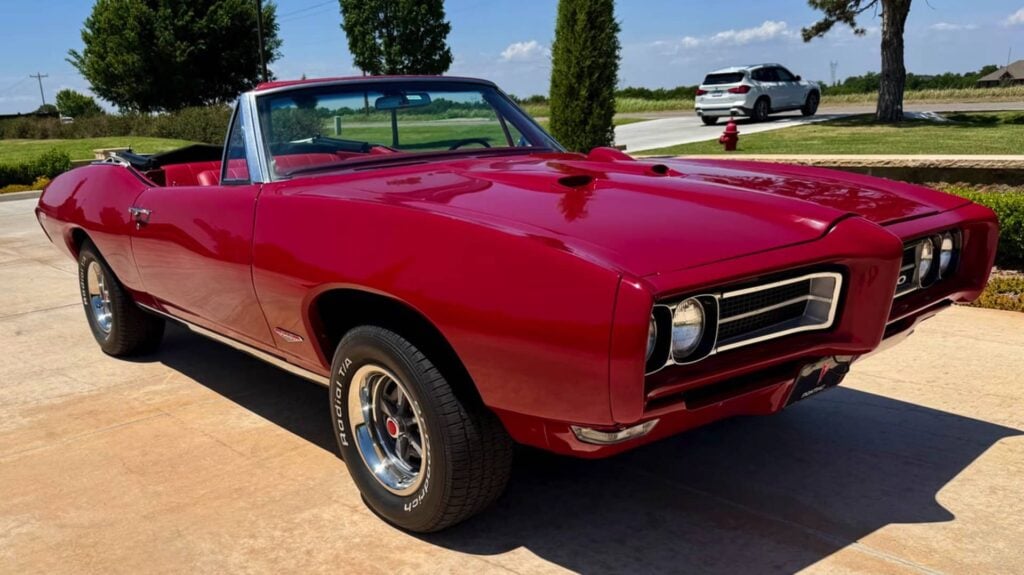
Lot W153 was explicitly restored in 2025 as a GTO replica, retaining a 350 cubic inch V8 and automatic. A hood tachometer, power steering and front disc brakes accompanied a new interior, convertible top, pump and glass. Pontiac redesigned its intermediates for 1968 with a shorter 112-inch wheelbase for two-door models; the actual GTO used a 400 cubic inch engine. Fresh restoration and GTO-style presentation plausibly helped, but its replica identity is essential when comparing the result with genuine GTO prices.
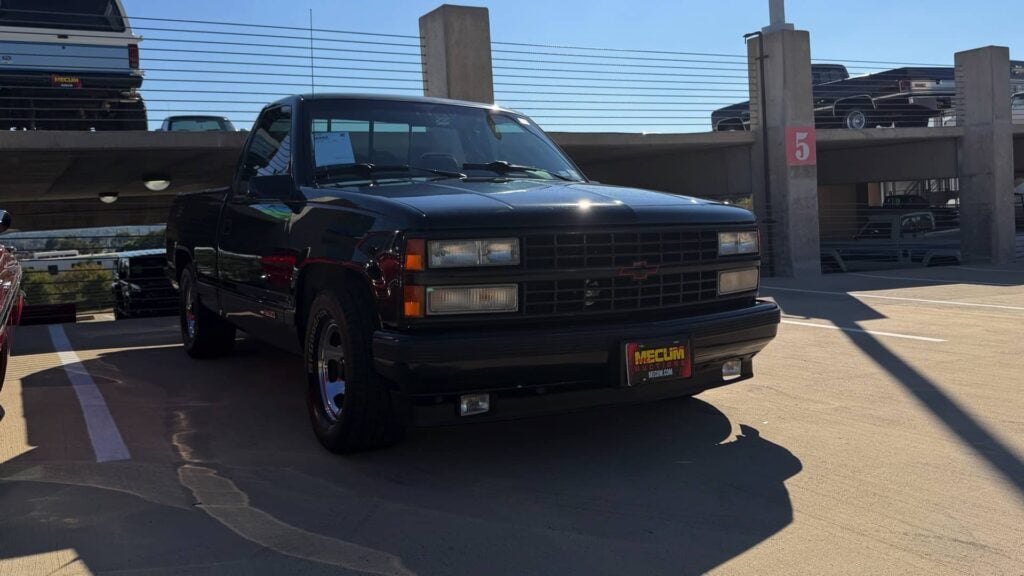
Lot W292 tied the LeMans, showing 21,159 miles and wearing Onyx Black over Garnet Red, with a 454 cubic inch V8 and automatic. Introduced for 1990, the 454 SS paired Chevrolet’s short-bed C1500 with a big-block rated at 230 horsepower and 385 lb-ft; black over red was the only first-year color combination. Its mileage reading and launch-year specification offer plausible appeal, although 1990 was the highest-production – not rarest – year of the four-year run.
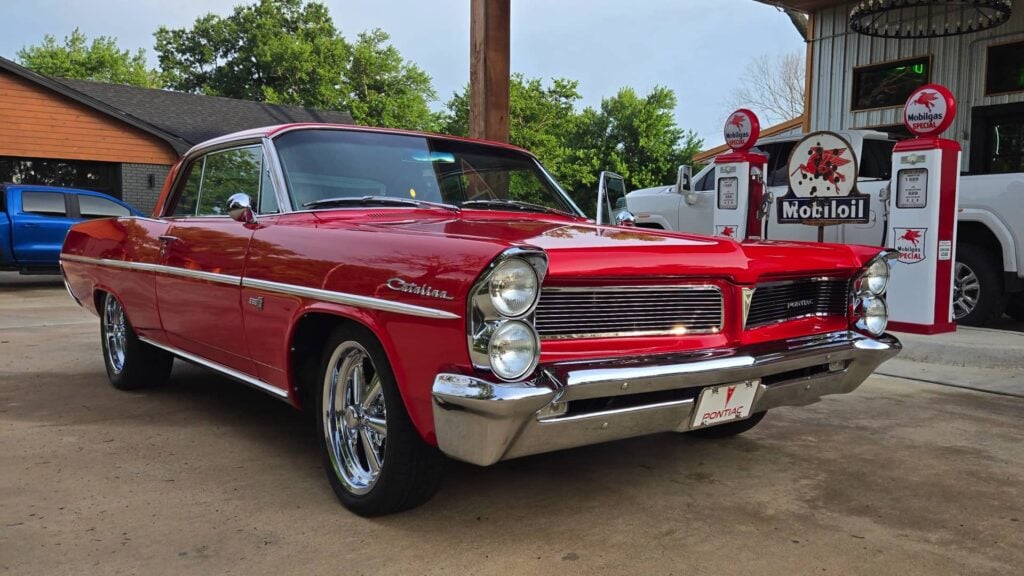
Lot W78 featured a listed frame-off restoration, 389 cubic inch V8, automatic, power disc brakes, power steering, air conditioning and bucket seats with a console. The 1963 full-size Pontiacs introduced a particularly recognizable face, pairing vertically stacked headlights with the division’s split grille. Restoration work and touring equipment provide more relevant context for this result than competition pedigree: Mecum described a 389-powered Catalina, not a 421 Super Duty.
Thursday's Five Highest Sellers
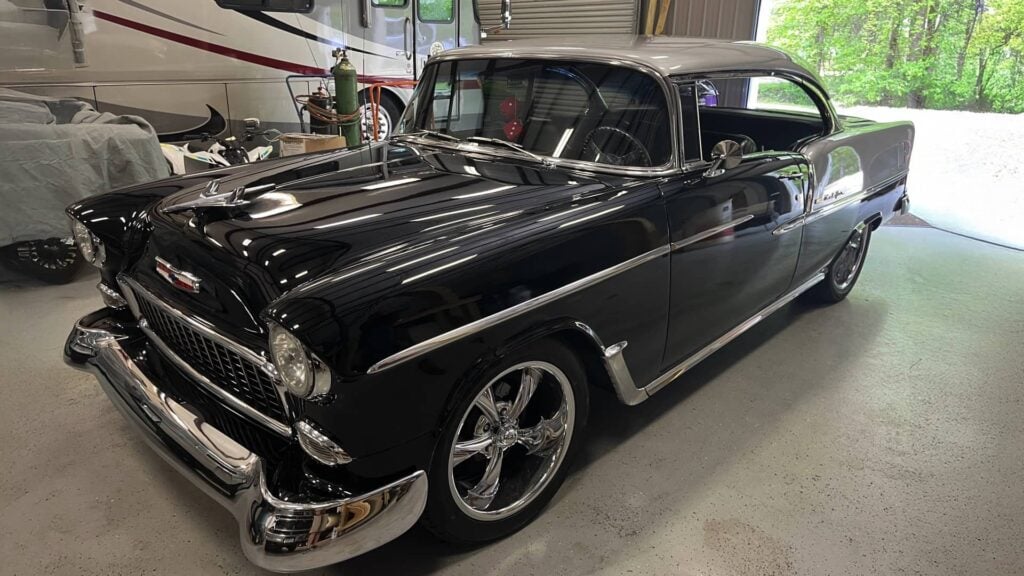
Lot T212 led Thursday with a Summit 383 cubic inch stroker V8, automatic, aluminum radiator and electric fans, black-and-silver paint, black leather interior and chrome five-spoke wheels. The 1955 model introduced Chevrolet’s landmark 265 cubic inch small-block V8, making the year foundational to the marque’s performance history. This car’s larger stroker and custom presentation place it in the modified-cruiser market; its result is not a direct benchmark for a stock 265-powered Bel Air.
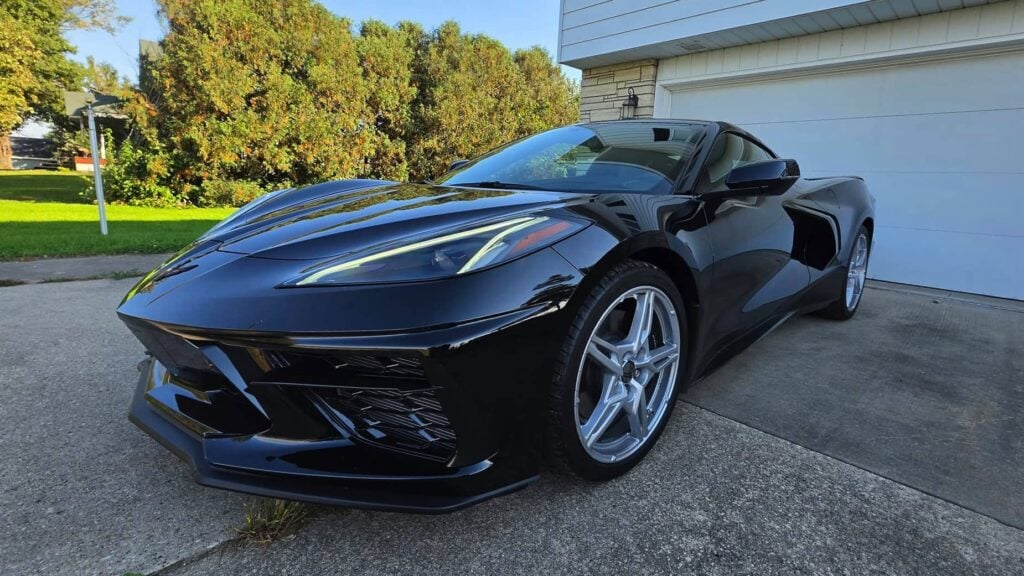
Lot T176 showed 274 miles in the current listing, with a 495-horsepower 6.2L V8, Z51 package, head-up display, performance data recorder and heated-and-ventilated seats. The C8 introduced Corvette’s mid-engine configuration for 2020, and the 2022 model paired its LT2 V8 with an eight-speed dual-clutch transmission. Its low displayed mileage and equipment plausibly supported the price; it should not be confused with the separate, limited-production 2022 IMSA championship edition.
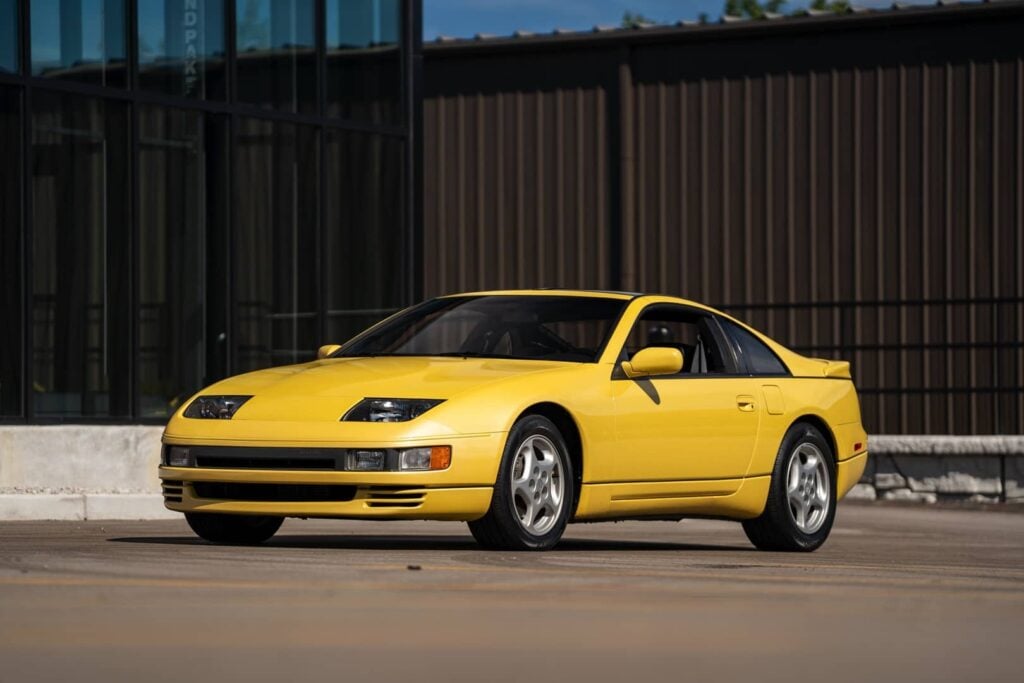
Lot T82 combined a 16,966-mile reading, five-speed manual, twin-turbocharged 3.0L V6, Yellow Pearlglow paint, glass T-tops, factory build card and owner’s manual. The Z32 debuted for the 1990 U.S. model year, with the manual Twin Turbo factory-rated at 300 horsepower. A pre-auction feature identified the same VIN and highlighted its sub-17,000-mile reading and uncommon yellow finish. Those attributes offer specific context for the result without suggesting ordinary, higher-mileage 300ZXs command similar money.
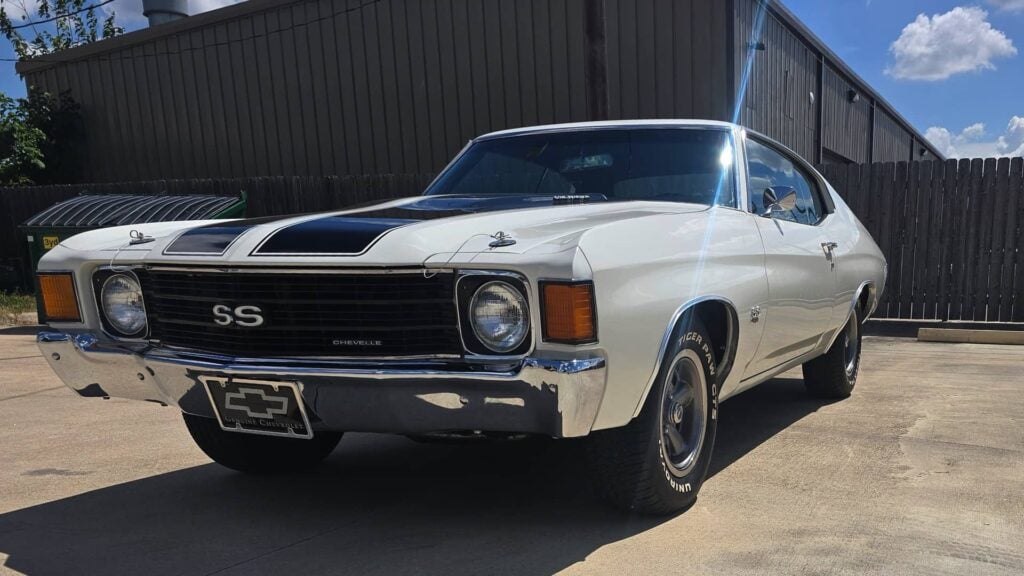
Lot T109 carried a rebuilt LS5 454 with fewer than 3,000 miles since rebuilding, four-speed, 12-bolt rear axle and factory air conditioning, accompanied by a build sheet, Protect-O-Plate, window sticker and receipts. Mecum’s current conditions of sale expressly state that the engine is not represented as matching numbers, superseding an earlier description. The year closed the Chevelle’s second generation, while the LS5 454 was factory-rated at 270 net horsepower. Its big-block/four-speed specification and paperwork could support the price, but an original-engine premium cannot be assumed.
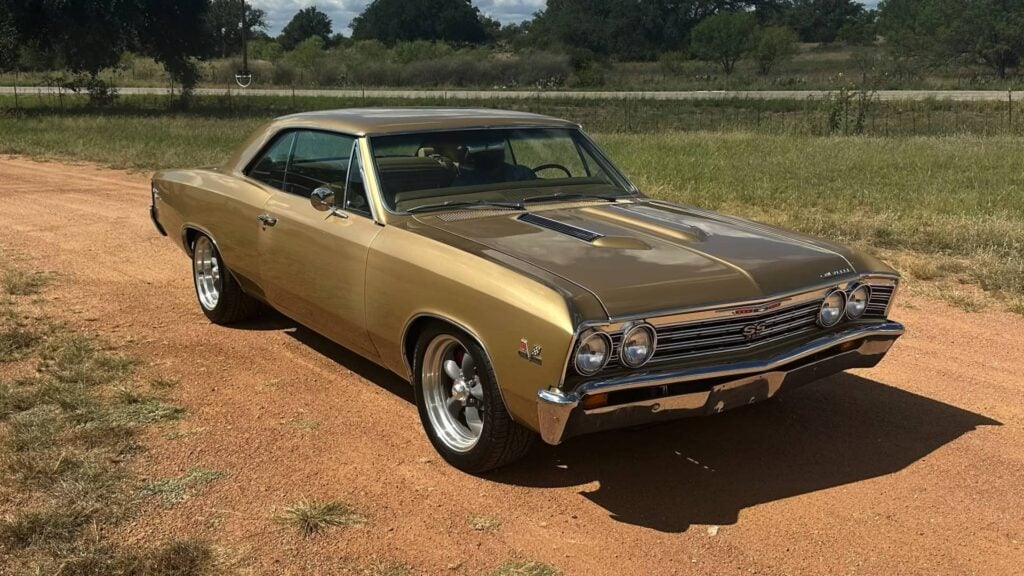
Lot T131 featured a 396 cubic inch V8, four-speed, Granada Gold paint, gold interior, bucket seats and console; Mecum highlighted its early Kansas City production sequence. Its VIN, 138177K100030, carries the SS396 sport-coupe prefix and Kansas City code, but plant sequences covered all Chevelle series – it was not necessarily the 30th SS396 built. As the final first-generation Chevelle, its model identity and four-speed offer credible appeal, although the listing did not establish matching numbers or a specific high-output 396 version.