
GAA Classic Cars: Top Ten Sales July 2026
GAA Classic Cars‘ July 23-25, 2026 auction in Greensboro, North Carolina, produced strong auction results dominated by American muscle. A 21st century supercar took the top spot.
The event followed GAA Classic Cars’ February 2026 sale, which had featured a Boss 429 among its top performers. It continued a run of strong auction results for GAA Classic Cars’ Mopar and Ford muscle car offerings.
Below is a breakdown of the top 10 auction results from the sale (with a two-way tie for tenth) and how each collector car price compares to the broader classic car market.
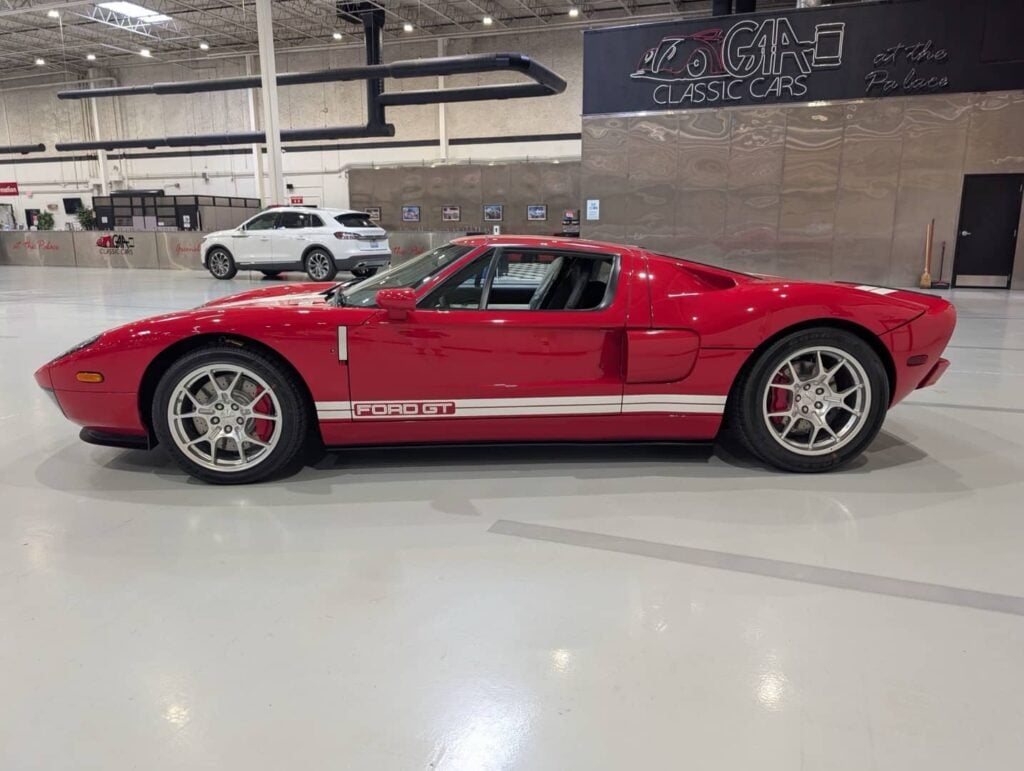
The 2006 Ford GT is a modern homage to the original 1960s GT40 Le Mans racers. Ford built it to celebrate the company’s centennial.
It is powered by a supercharged 5.4L V8 paired with a Ricardo six-speed manual transmission. GAA Classic Cars has sold multiple Ford GTs in recent auction results, including a Heritage Edition with all four factory options and just 155 original miles that hammered for $1,036,800 at the February 2026 sale. Another example brought $365,000 in an earlier GAA Classic Cars sale.
At $660,000, this July result lands well above typical 2006 Ford GT market values, which generally range from the mid-$300,000s to over $1 million depending on mileage, options, and originality. This collector car price places the GT firmly in the upper-middle of the model’s range rather than at the Heritage Edition ceiling.
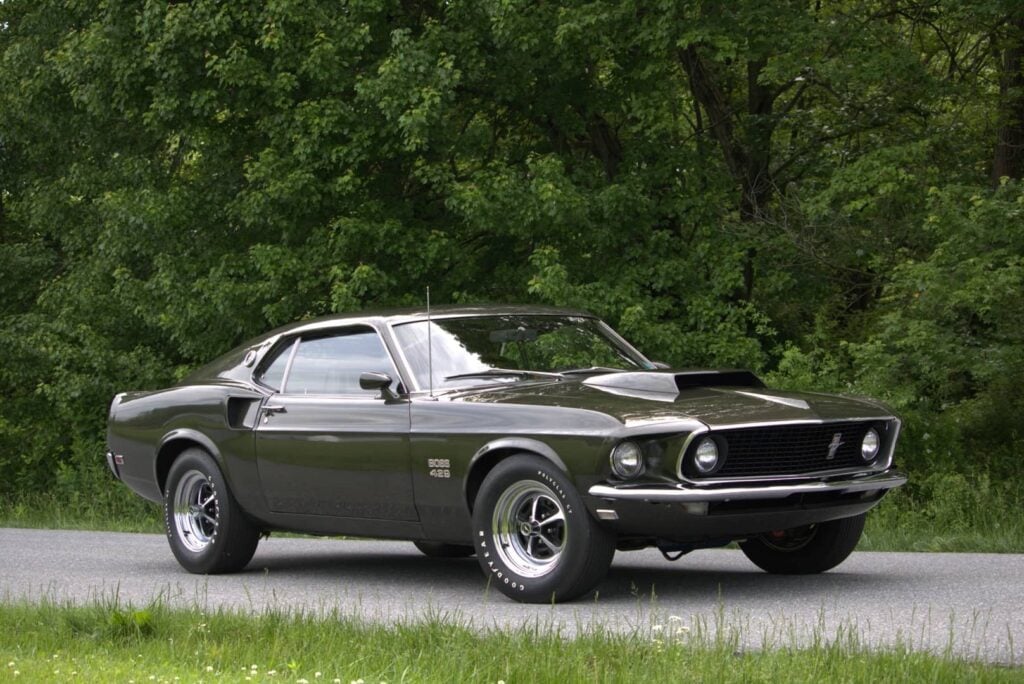
The Boss 429 was Ford’s homologation special, built to legalize the massive semi-hemispherical 429 cubic-inch “Boss 429” V8 for NASCAR competition. The engine was shoehorned into a Mustang body that required modified shock towers to fit.
GAA Classic Cars’ July auction results featured a pair of numbers-matching Boss 429 S-Code cars, each valued north of $500,000 heading into the sale. This confirmed the final price was in line with pre-auction expectations.
A comparable Boss 429 sold for $300,000 in an earlier sale, underscoring how much stronger this July auction result was. The Boss 429 remains one of the most sought-after numbers-matching muscle cars in the classic car market.
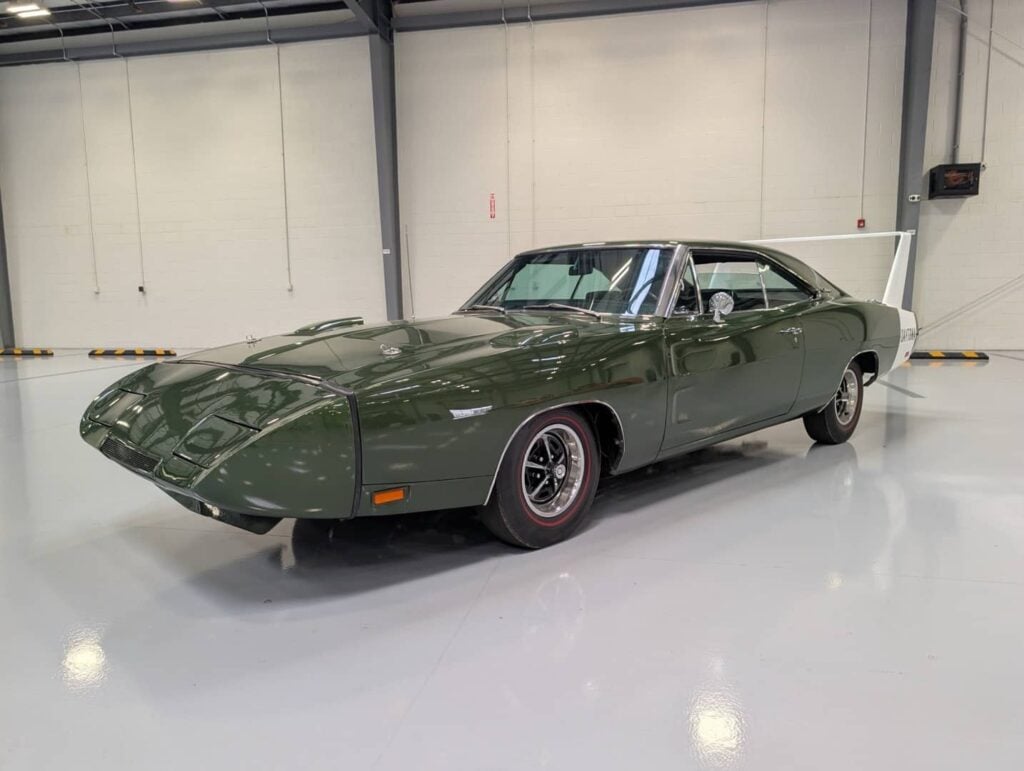
Only 503 Dodge Daytonas were built for 1969, making this aerodynamic winged Mopar one of the rarest muscle cars ever mass-produced. It was designed for NASCAR superspeedway racing.
This example carried its matching-numbers 440 cubic-inch, 375-horsepower V8 and showed just 119 miles since a full restoration. Winged Daytonas and their Plymouth Superbird siblings routinely command six-figure prices at auction.
A well-documented, low-mile restored example in this range is consistent with recent Daytona market activity. Several cars have traded in the $250,000-$400,000-plus range depending on condition and originality.
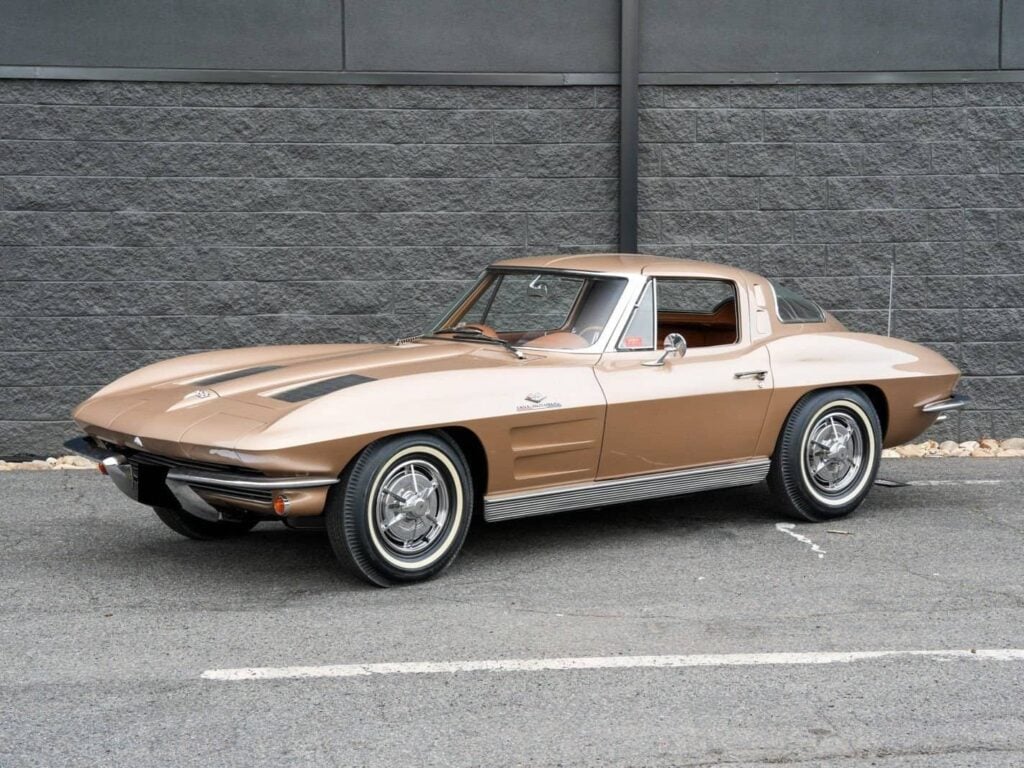
1963 marked the only year Chevrolet offered the distinctive split rear window on the Corvette Sting Ray. This makes these coupes among the most collectible first-generation Corvettes.
This car was finished in silver and equipped with the desirable factory fuel-injected “L84” 327 cubic-inch V8, producing roughly 360 horsepower via Rochester mechanical fuel injection. Split-window Corvettes routinely sell well above the broader C2 Corvette market average, which spans a huge range given the volume of cars produced.
Fuel-injected, well-documented examples like this one typically command a premium over base carbureted coupes in classic car auction results.
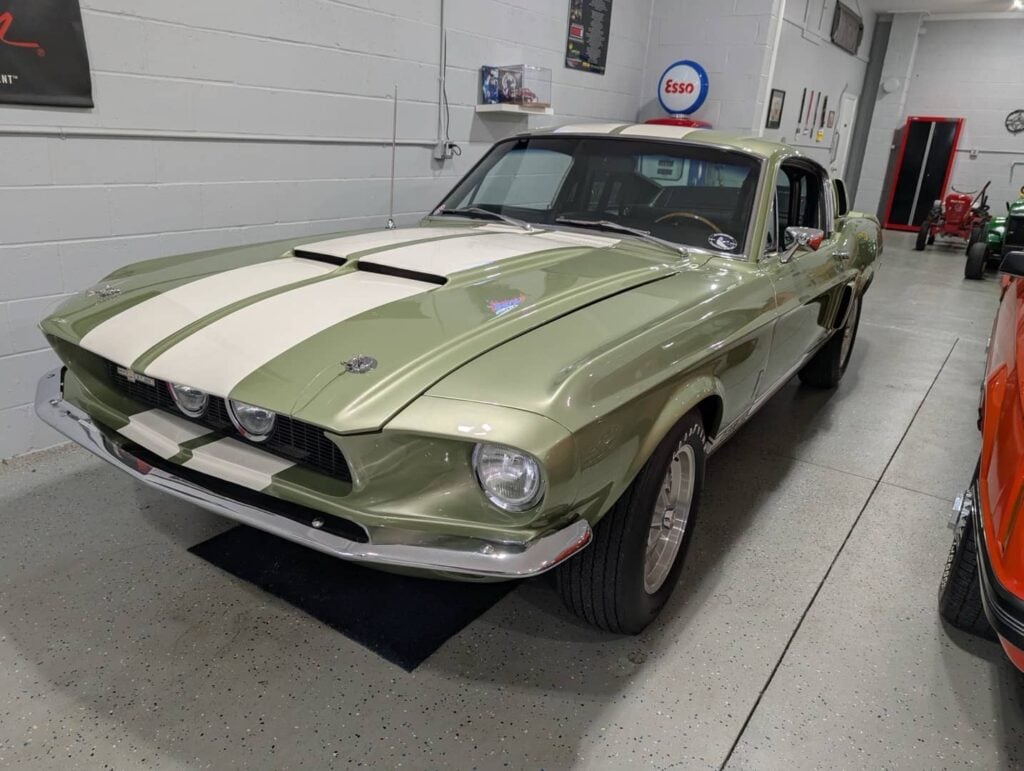
The 1967 GT500 was Shelby’s first big-block Mustang, replacing the small-block GT350 with a 428 cubic-inch engine. This created a more powerful, comfort-oriented grand touring machine.
This particular car was completely restored, running its original 428 Police Interceptor engine fed by twin 600 CFM Holley carburetors. It retained its original radio and 8-track player.
GT500 values vary widely by originality and documentation. A prior GAA Classic Cars sale of a GT500 with 88,000 miles and a Cobra Jet engine reportedly topped an auction at $176,000, suggesting this July result sits at the stronger end of recent GT500 auction results for a comparably restored example.
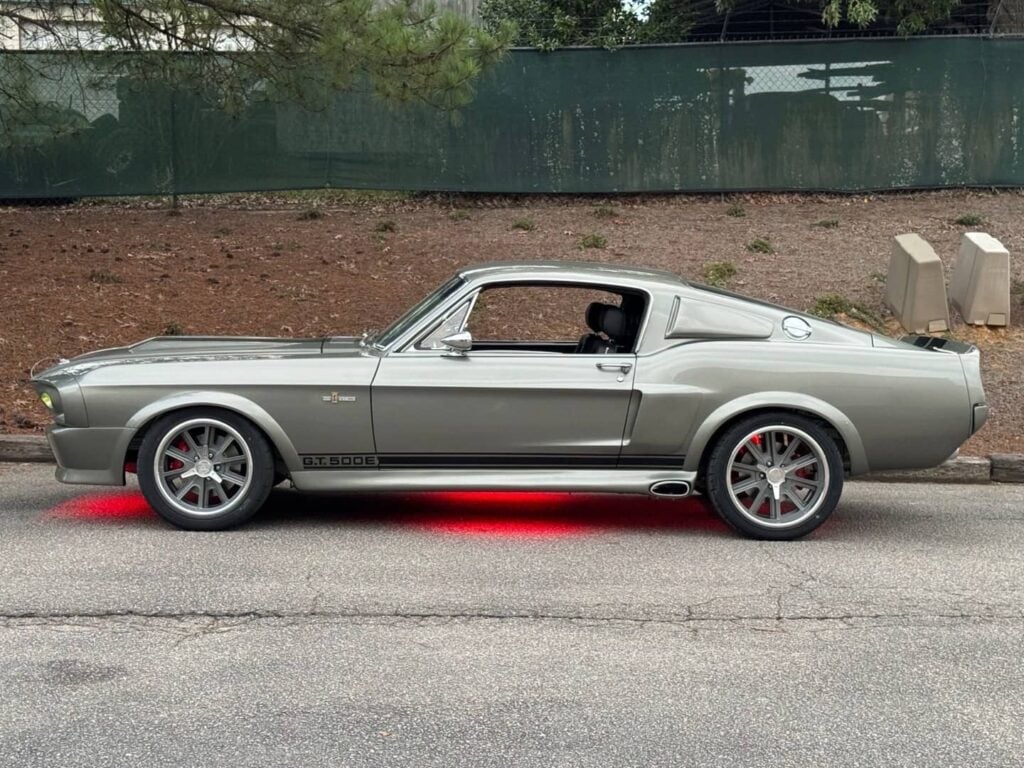
This car is a tribute build inspired by the “Eleanor” Mustang made famous in the film Gone in 60 Seconds. It features an Eleanor MTF body kit, manual transmission, and upgraded Wilwood brakes and Borgeson power steering, and is registered as number 505 in the official Eleanor Registry.
Unlike the numbers-matching original muscle cars elsewhere on this list, Eleanor tribute builds are valued primarily for fabrication quality, drivetrain performance upgrades, and screen-accurate detailing rather than factory originality.
Current market listings show roughly 25 Eleanor tribute editions for sale with a recent asking price around $179,950. This car’s $202,500 sale price landed above typical asking prices for comparable tribute builds, reflecting strong buyer demand for pop-culture-driven restomods at collector car auctions.
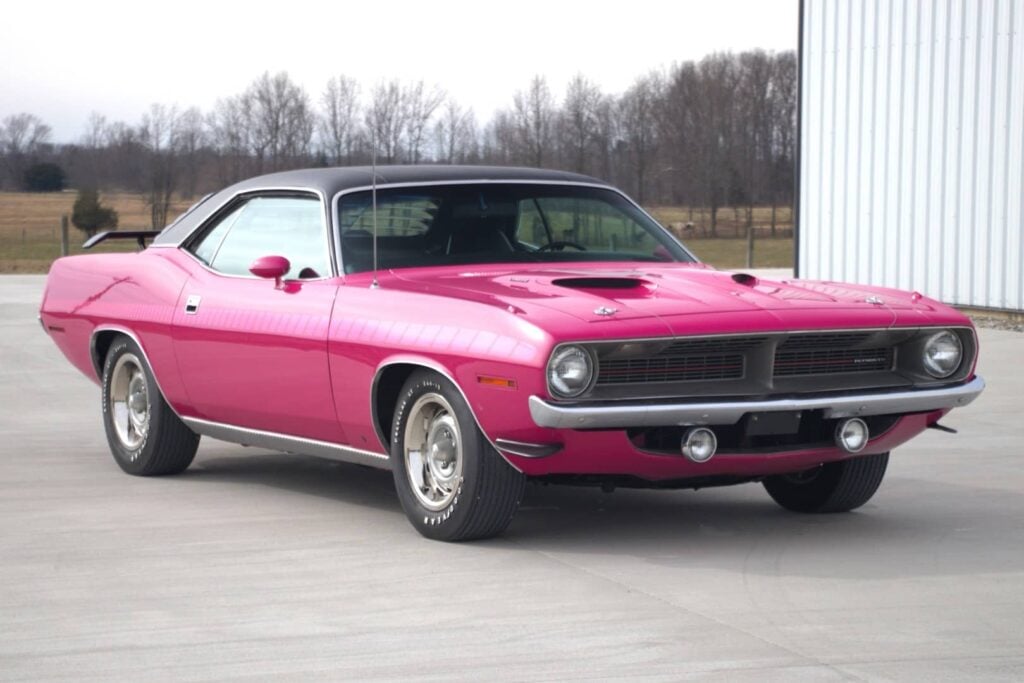
Finished in the striking “Moulin Rouge” (FM3) high-impact pink/magenta paint with a matching magenta strobe stripe and vinyl top, this ‘Cuda carries its matching-numbers 340 cubic-inch, 275-horsepower V8 with the correct Carter carburetor and factory air cleaner.
High-impact color ‘Cudas are especially prized by collectors. Factory records suggest only a small percentage of 1970 Barracudas were ordered in these vivid hues, and colors like Moulin Rouge or Vitamin C consistently drive premiums at auction over more common colors.
A $200,000 result for a smaller-displacement 340 car, versus a 440 or Hemi ‘Cuda, demonstrates how much premium paint and originality alone can add in today’s classic car market.
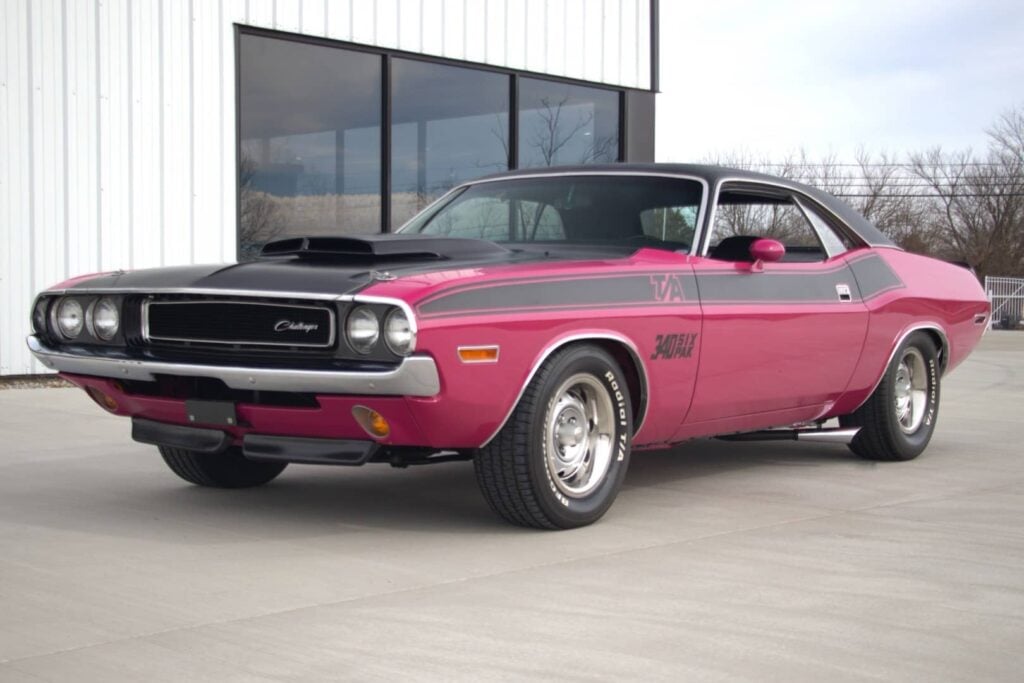
The Challenger T/A was Dodge’s homologation special for Trans-Am racing. It featured a functional hood scoop, side-exit exhaust, and a unique 340 cubic-inch “Six Pack” three-carburetor induction setup.
This particular car retained its matching-numbers 340 Six Pack engine. Market data shows Challenger T/A values ranging widely, with a record sale of $242,000 set in January 2026 and an average sale price around $104,000.
This July auction result placed well above the segment average and closer to the top of the recorded range.
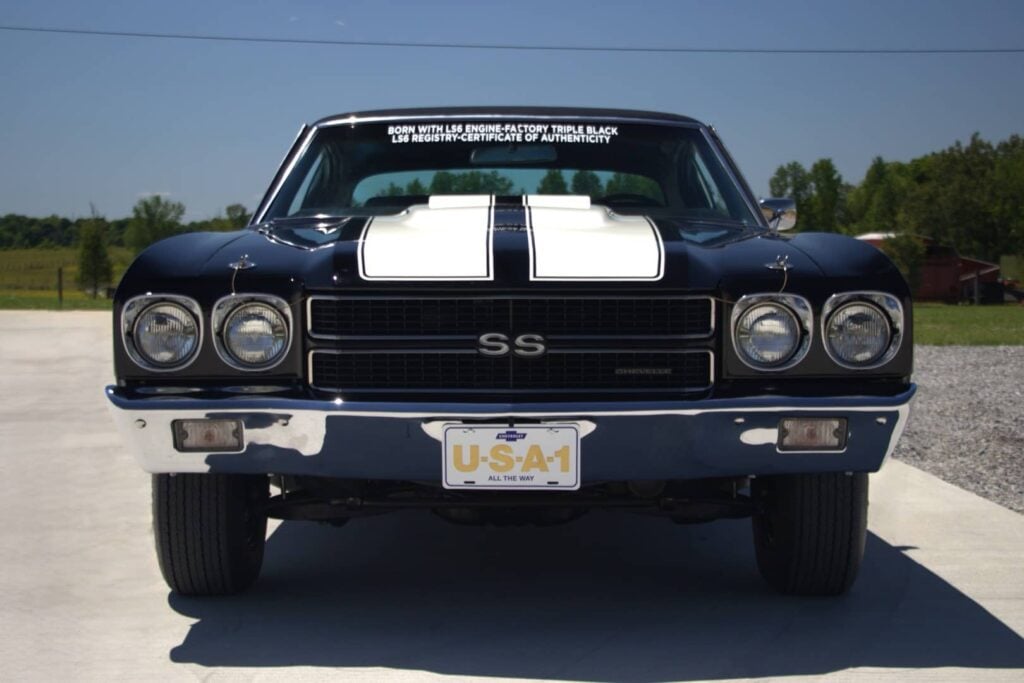
Widely regarded as one of the most powerful muscle cars of the era, the Chevelle SS LS6 came with a 454 cubic-inch V8 factory-rated at 450 horsepower. This was among the highest advertised outputs of any American muscle car from 1970.
This car underwent a complete rotisserie restoration and was presented in its factory-correct triple-black color scheme. LS6 Chevelles are considered blue-chip muscle cars in the classic car market.
A fully restored, numbers-matching example at $175,000 falls within the expected range for top-tier LS6 Chevelles, which regularly reach into the $150,000-$250,000-plus territory depending on documentation and originality.
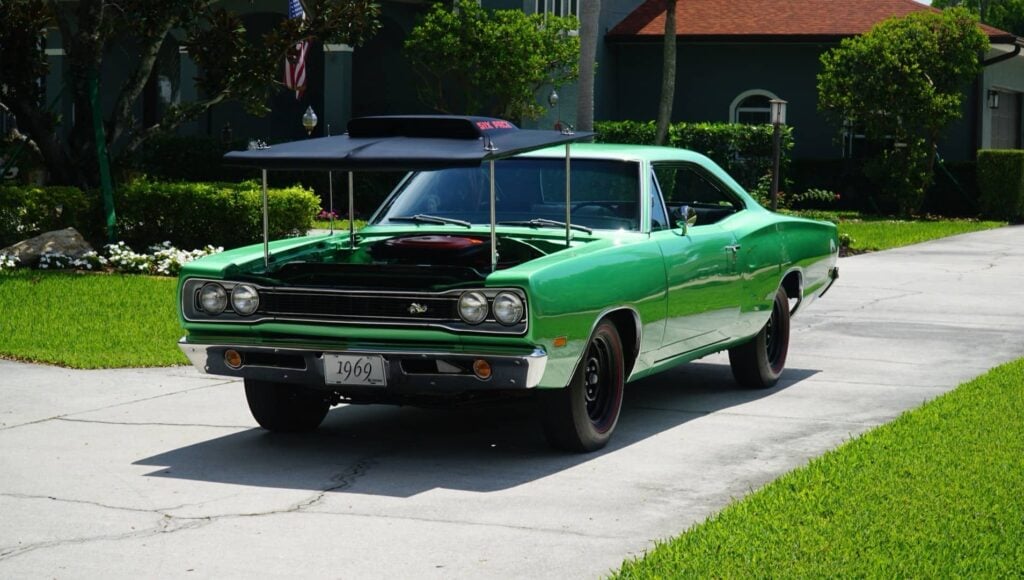
The A12 designation refers to the special “Six Pack” trim of the Super Bee, which paired a 440 cubic-inch V8 with triple two-barrel carburetors. This delivered high-horsepower performance at a lower price point than a Hemi.
This example underwent a concours-level rotisserie restoration and retains its matching-numbers engine and four-speed manual transmission. It is finished in Bright Green with a black vinyl interior.
Only a limited run of A12 Super Bees were built for 1969. With roughly 19 examples tracked as currently for sale across the market, this concours-restored, numbers-matching car’s auction result reflects strong demand for this rare, high-performance Mopar variant.
1966 Shelby GT350 - $167,000 (tied for 10th)
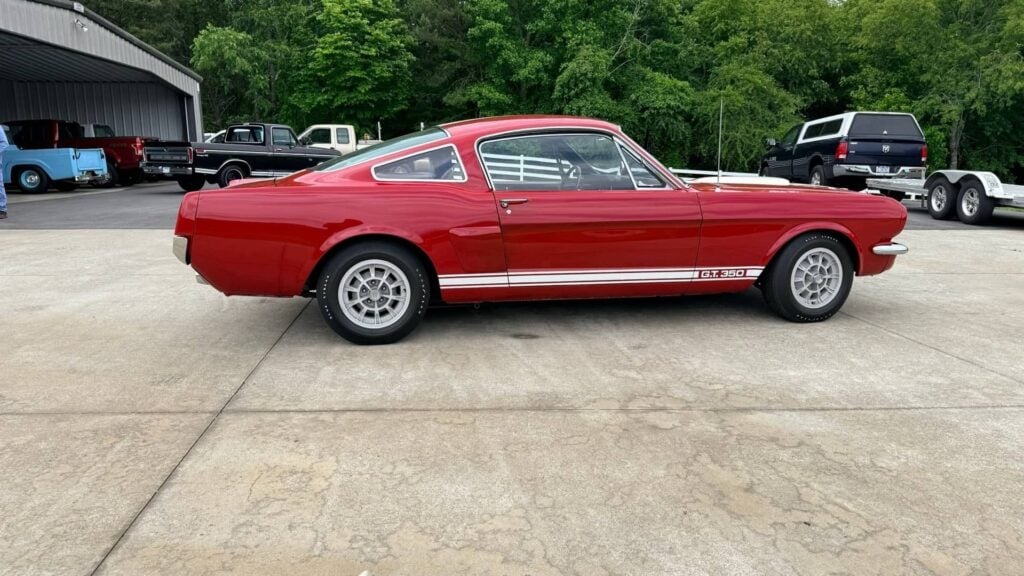
The 1966 GT350 represents Carroll Shelby’s original small-block Mustang transformation, built around a 289 cubic-inch V8. This example is equipped with a period-correct Paxton supercharger, Cobra finned aluminum valve covers, aluminum intake, headers, and a four-speed manual transmission.
Hagerty’s current valuation guide places a concours-condition base 1966 GT350 around $204,000. This GT350’s $167,000 result landed modestly below top-tier “Concours condition #1” money, consistent with a strong but not perfect example, or one without full documentation.
This still represents a healthy auction result for the model, especially with the desirable Paxton supercharger addition.
GAA Classic Cars Auction Results in Market Context
Taken together, these GAA Classic Cars auction results align closely with broader industry signals for 2026. Hagerty reports the overall collector car market has a strong top end but a softer underbelly.
The priciest, most desirable, and best-documented cars – like the Ford GT and Boss 429s that led this sale – continue to command premium prices, even as average-condition or less-desirable segments soften.
Auctions and online sales of collectible cars overall surged 10% in 2025 to $4.8 billion. Analysts have signaled continued strength for the market heading into 2026.
This trend is exemplified by GAA Classic Cars’ ability to move a modern supercar past $650,000 and multiple muscle cars past $150,000 to $275,000 in a single auction. Analysts note that originality matters more in the current classic car market, and that modern analog performance cars form the strongest segment.
Both points are reflected in this sale’s leaderboard. Numbers-matching, well-documented, or historically significant cars – the Daytona, the Boss 429s, the split-window Corvette – consistently outperformed less original or more common variants in these auction results.
Next Up: GAA Classic Cars November Auction
GAA Classic Cars is already gearing up for its next major event, with the auction house’s final 2026 sale scheduled for November 5-7 at The Palace in Greensboro, North Carolina.
The November auction typically features hundreds of collector vehicles alongside classic automobilia, continuing GAA Classic Cars’ pattern of hosting three to four major sales each year at its six-acre Greensboro facility.
Given the strength of this July auction’s results – led by a $660,000 Ford GT and the six-figure Boss 429 – collectors and consignors will be watching closely to see whether the November sale can match or exceed these numbers. Early promotional buildup already points to another strong lineup of muscle cars and classic automobiles crossing the block.
Consignment and registration details for the November 5-7 auction are available directly through GAA Classic Cars, with early planning recommended given the strong demand seen throughout the 2026 auction season.